
Set Clear Business Goals First
Before you even think about channels or content, lock in your goals. Are you after raw awareness? More leads? Solid conversions? Customer loyalty? Pick one maybe two but don’t chase all four at once.
This isn’t the place for gut feelings. Tie every platform move to something you can measure. If it doesn’t deliver on your goal, cut it. Email should stir clicks. Instagram should build community or drive traffic. Paid ads? Those better earn their keep in hard numbers.
Every digital move should ladder up to a clear business outcome. If you’re just posting to post, you’re wasting time and budget. Solid strategies start with goals that are backed by data, not assumptions.
Map Your Ideal Customer Journey
Before you pick channels or write a single headline, you need to know how your customer thinks and moves. Where do they spend time? What pushes them to click, buy, or bounce? It’s not about casting a wide net it’s about understanding the tide.
Dig into why people engage: Are they scanning Instagram for looks? Searching Google for answers? Clicking through emails when they’re ready to commit? Every platform plays a different role in the decision chain, and your job is to map that exact process.
Use analytics to get specific. Track behavior across touchpoints what content they see, what CTAs they ignore, when and where drop offs happen. Whether it’s GA4, a CRM dashboard, or heatmaps on your site, the tools are there to show you the path. Your strategy should be built around those steps, never assumptions.
Choose the Right Mix of Channels
Here’s the truth: trying to be everywhere at once rarely works. Instead of chasing every new platform or tactic, start by showing up where your audience already hangs out. That’s where you’ll get the most traction for the least effort.
Some channels hit harder when it comes to conversions. Email is unbeatable for nurturing relationships and bringing people back. SEO and quality content build long term trust and visibility. Paid social is your scalpel great for hyper targeting specific segments. And if you’re looking for instant traction, SMS and push notifications hit fast and direct, but only work if you’ve got a solid reason to pop up in someone’s day.
No strategy stays static. What drives conversions today can fizzle tomorrow. Run small tests across your mix. Track what pulls people through your funnel, then shift budget and attention accordingly. Iterate or stall out. Your choice.
Align Messaging and Creative Across Platforms
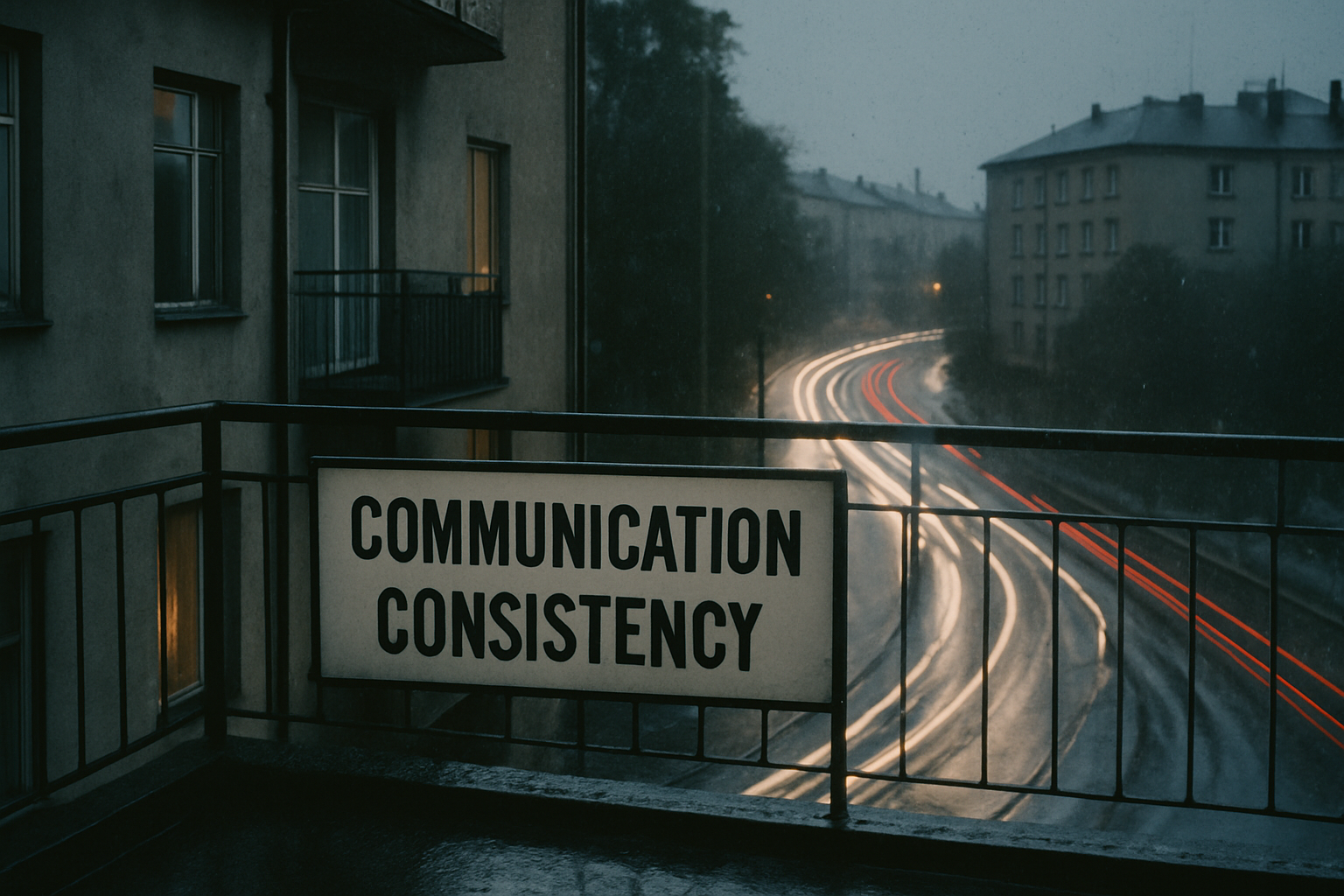
Consistency matters, but mindless duplication doesn’t. Your brand should feel the same across platforms, but not talk the same everywhere. Each channel has its own rhythm, its own language. Repurposing content? Good. Copy pasting it word for word? Not so smart.
Your messaging, tone, and visuals should mirror the behavior of the users you’re reaching on that platform. A LinkedIn ad should sound polished and professional, pushing data or outcomes. An Instagram Story CTA? Make it instant and visceral swipe up, tap now energy.
Design matters too. What looks clean on YouTube might feel cluttered on TikTok. One solid visual won’t fit all. Tailor your edits, captions, and CTAs so they match each channel’s native flow. That’s how you stay relevant without being redundant.
Use Data to Connect the Dots
If you’re guessing, you’re losing. Modern digital marketing is about proof, not hunches and the key is unified tracking. Every platform has its own analytics suite, but relying on siloed data leaves big gaps. Instead, build a system where all your touchpoints roll up into one clear view. Think Google Analytics 4 stitched together with CRM data, UTM tagged links on every outbound campaign, and retargeting pixels doing the quiet work in the background.
Tools are everywhere you just need to connect them. A customer clicks a Facebook ad, reads a blog post, then signs up via email. If your systems aren’t talking, you won’t know what triggered the conversion. Was it the ad? The value packed blog? Timing? Unified tracking helps you find out.
By breaking down conversion data by source, message, and time, you stop flying blind. You start seeing what’s working, where it’s working, and why. That’s how you build leaner campaigns that actually convert.
Build Around the Customer, Not the Channels
Mass messaging is easy. Personalization takes effort but it’s what actually works. In 2024, the best performing digital marketing strategies will lean heavily into what the data already shows: customers don’t want to be talked at. They want help. That means shifting from a broadcast mindset to a service mindset.
Your tools should work around your users, not the other way around. If someone engages with email but ignores push notifications, stop pushing. If they’re active on Instagram but not LinkedIn, adjust your content mix. Use behavior opens, clicks, time spent as a compass for when and where to speak up.
Also, lose the hard sell. Your job isn’t to convince; it’s to solve. When you know your audience’s friction points, your message becomes timely, useful, and much harder to ignore.
Want a deeper dive on how to make customer behavior your strategy’s north star? Read more here: customer centric marketing.
Optimize, Then Optimize Again
If you’re not testing, you’re guessing. A/B testing is how sharp marketers stop wasting time and budget. Try two versions of your email subject line, landing page layout, or ad creative and don’t just go with your gut. Let the numbers decide.
Once you know what works, lean into it. Run your winning headlines harder. Apply the same structure across other campaigns. Small changes often bring outsized gains double digit lifts from switching a CTA or headline aren’t rare.
And when something’s not converting? Cut it fast. The toughest part of optimization is knowing when to walk away from a flop. Don’t be sentimental about underperformers. Keep your testing tight, learn quickly, and always be iterating.
Stay Agile, Not Noisy
Digital marketing doesn’t sit still, and neither should your strategy. Platforms tweak algorithms. New formats trend. What worked six months ago might nosedive tomorrow. That’s not panic material it’s a call to stay sharp.
Agile doesn’t mean chaotic. It means building processes that can bend without breaking. Have a core message, a clear goal, and a customer first mindset. Then let the tactics around that shift as needed. That might mean pivoting away from Twitter and investing more in email. Or testing short form video when long blogs stall.
But here’s the non negotiable: keep the customer at the center. It’s easy to chase trends and lose focus. Don’t. Make sure every channel, every message still solves a real need. Keep tight feedback loops, measure what matters, and cut dead weight often.
For a deeper look at staying grounded while the landscape moves, read up on customer centric marketing.
 Lloyd Stafford has been instrumental in the development of Squad Digital Hack, leveraging his extensive knowledge of digital marketing to enhance the platform's offerings. His commitment to delivering practical insights and innovative strategies has helped users navigate the complexities of online marketing. Lloyd’s expertise in social media tactics and email marketing solutions empowers marketers and entrepreneurs to build strong brand visibility and drive meaningful engagement with their audiences.