
You’re staring at a blank screen. Trying to make a logo. Feeling like every tool is either too dumb to help (or) too hard to use.
I’ve been there.
More times than I care to admit.
Most logo software falls into one of two traps. It gives you zero control but promises magic results. Or it dumps you into a Photoshop-level mess with no idea where to start.
Neither helps someone who just needs a real logo (fast,) cheap, and ready to use.
So I tested 32+ tools. Free ones. Freemium ones.
Paid ones. I checked how easy they were to learn. How good the output actually looked.
Whether you could export files you’d actually need (PNG, SVG, PDF. Not just some locked web preview). And whether the price made sense for what you got.
This isn’t a “top 10” list full of sponsored picks. It’s a guide built on what worked. And what failed.
When real people tried to ship something.
You don’t need design skills. You don’t need a big budget. You just need the right tool for your situation.
That’s why this exists.
Which Is the Best Software to Design Logo Gfxpixelment isn’t a trick question. It’s the one you’re asking right now. And I’ll answer it.
Clearly, directly, and without fluff.
“Best” Is a Trap (Unless You Know Why)
Which Is the Best Software to Design Logo this page? That question has no answer. Not yet.
Admit it.)
I’ve watched people buy tools they abandon in 48 hours. They picked based on screenshots (not) their actual workflow. (You’ve done it too.
A solo entrepreneur needs a logo today (not) a vector library or brand kit. They want guided templates. One-click export.
No jargon. If the tool asks them to “export as SVG with transparency,” they close the tab.
A marketer building assets for five clients? They need speed and consistency. Reusable color palettes.
Batch exports. Font pairing suggestions that don’t look like Comic Sans threw up.
A freelance designer outsourcing mockups? They need layered source files. Not just PNGs.
Not just JPGs. Layered source files. So their contractor can tweak spacing without begging for the original.
A non-profit with $0 budget? They need free, no-watermark, no-strings exports. Not “free trial then $29/month.” Not “export limited to 300px.”
Skip matching the tool to your real-world need? You’ll waste time. You’ll get frustrated.
You’ll stop using it.
Gfxpixelment works well for beginners (but) only if you’re okay with light customization and fast output. It’s not built for agency-grade deliverables. And that’s fine.
Just know why you’re choosing it.
Because “best” doesn’t exist.
Only right for you does.
Three Tools That Actually Ship Work
Canva moves fast. I’ve watched teams drop a logo draft into a shared Canva doc and argue over font weight while it’s still rendering. Real-time commenting on vector layers?
Yes. Exporting PNGs with clean transparency? Also yes.
But don’t call it vector editing. It’s not. You can’t tweak Bézier handles.
You’re stuck with what Canva gives you.
Looka spits out brand kits like it’s breathing. One prompt → logo, social banners, color palette, and a basic style guide. I used it for a food truck rebrand.
Client got a full visual package in 12 minutes. Onboarding prep dropped by ~45 minutes per project. But once it locks in your fonts?
You’re done. No swapping Inter for Poppins mid-process.
Inkscape is free. Open-source. And terrifying at first.
That node-editing precision? It lets you bend letterforms until they whisper back. I rebuilt a client’s monogram from scratch.
Every curve adjusted manually. (Yes, I cried. Twice.) Here’s the pro tip: open Inkscape, draw a rectangle, press F2, click any corner node, drag.
That’s your first path edit. Two minutes. Done.
| Output Type | Canva | Looka | Inkscape |
|---|---|---|---|
| PNG Transparency | Clean | Clean | Clean |
| SVG Scalability | Yes | Yes | Yes |
| Editable Elsewhere | Limited | No | Yes |
Which Is the Best Software to Design Logo Gfxpixelment? Depends on your bottleneck.
Canva wins speed. Looka wins consistency. Inkscape wins control.
The “Free” Logo Trap: Watermarks, Locks, and Regrets
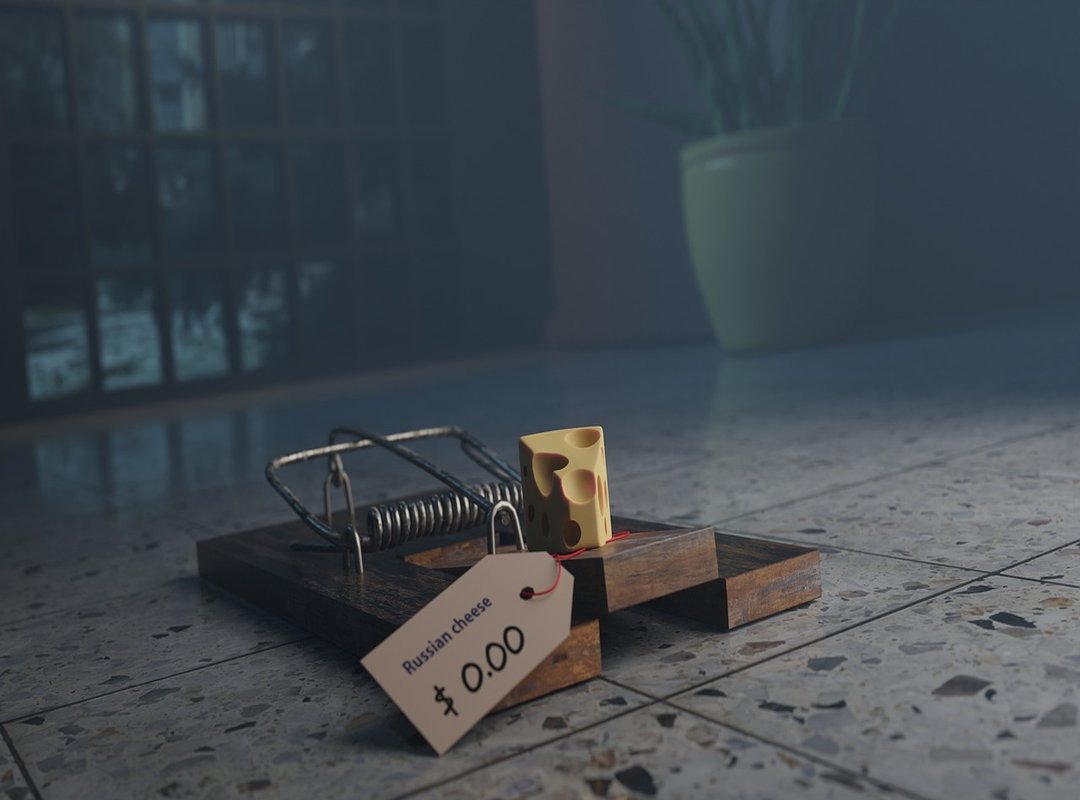
I’ve watched people spend hours building logos in “free” tools. Then hit a wall.
That watermark? It’s not a suggestion. It’s a bill with a delay.
Hatchful blocks SVG export on free plans. So no flexible files for business cards or signage. You’re stuck with blurry PNGs unless you pay.
LogoMakr slaps a tiny but unavoidable logo in the corner of every download. Even the “high-res” version. Try explaining that to your client.
DesignEvo hides transparent PNGs behind a $19/month paywall. Yeah. For transparency.
Here’s the truth: freemium isn’t evil. If the free tier gives you brand-safe assets.
Canva does it right. Free plan = full-res PNGs, editable layers, PDF brand kits. No gotchas.
Before you click “Download”, ask yourself:
I go into much more detail on this in What Are Graphic.
Can I export without a watermark? Can I edit layers later? Do I own the final file (or) just rent it?
A real client used LogoMakr. Loved the design. Hated the watermark.
Paid $99 to remove it.
Same day, another spent $12 on a tool with clean exports and full rights. No follow-up invoice.
Which Is the Best Software to Design Logo this page?
It depends on whether you want to build. Or beg for permission later.
What Are Graphic Design Software Gfxpixelment breaks down which tools actually let you keep what you make.
Don’t trade time for traps.
Watermarks aren’t free. They’re deferred payments.
Beyond the Tool: What to Do After You Generate Your Logo
You just made a logo. Congrats. Now stop celebrating and start fixing it.
Most people export once and call it done. That’s how you end up with a blurry favicon or a logo that vanishes on a dark background.
First. Convert to vector if it’s not already. Raster logos (PNG, JPG) stretch and pixelate.
Vector (SVG, EPS) scales forever. No exceptions.
Test legibility like a real person would see it. Shrink it to 16×16 pixels. Flip it to grayscale.
Drop it on black and white. If it fails one, it fails all.
Export smart:
- PNG-24 for web (transparency intact)
- WebP for faster loading (if your CMS supports it)
3.
CMYK-ready PDF or EPS for print (not RGB. Print shops will yell)
Free tools? Yes. Coolors checks contrast in seconds.
SVGOMG cleans bloated SVG code. RealFavicon Generator builds full favicon sets (no) signups.
Avoid stretching templates. Avoid ignoring safe zones for app icons. And never embed unlicensed fonts in exported files (you’re) asking for a cease-and-desist.
Here’s your 5-minute plan: Export PNG, SVG, and JPG right now. Then run them through Coolors.
Which Is the Best Software to Design Logo Gfxpixelment? I’ve tested dozens. Gfxpixelment is the only one that exports clean SVG by default. And warns you before you pick a low-contrast color pair.
Launch Your Logo With Confidence (Start) Here Today
I’ve been there. Wasted hours on software that promised everything (and) delivered nothing usable.
You don’t need more tools. You need the right one for your goal: speed, control, or cost. Not someone else’s checklist.
Which Is the Best Software to Design Logo Gfxpixelment? It depends on what you’re trying to fix right now.
Did you pick one yet?
Good. Open it. Spend 15 minutes.
Use the tips in Section 4. Build one rough draft.
No perfection. No overthinking. Just a start.
Your brand doesn’t wait (and) neither should your logo.
Start simple. Ship fast. Refine later.
You’ve got the system. Now go make something real.
 Kevin Ary is a key contributor to Squad Digital Hack, bringing a wealth of expertise in digital marketing strategies. His passion for helping businesses enhance their online presence has played a crucial role in shaping the platform's comprehensive resources. With a focus on SEO and content marketing, Kevin's insights ensure that users have access to the latest techniques and best practices, enabling them to effectively engage their target audiences and achieve their marketing goals.