
Women’s imagery is everywhere, from art to media. But let’s be real, the lack of diverse and inclusive representation can lead to stereotypes and misrepresentation. This article aims to give you a detailed overview of the latest trends, issues, and best practices in the use of poto de persona mujeres.
I’ve seen it all, and I’m here to share my insights. You might be wondering, why should you trust me? Well, I have a deep understanding of visual arts and media, and I’m not afraid to call it like I see it.
Let’s dive into the good, the bad, and the ugly of women’s imagery. Trust me, it’s worth your time.
The Evolution of Women’s Imagery in Art
Historical Context
Women have been depicted in art for centuries, but the way they’ve been portrayed has changed dramatically. In ancient times, women were often shown as goddesses or idealized figures. Fast forward to the Middle Ages, and you see more religious and domestic scenes.
Key Movements
The Renaissance brought a new level of realism and individuality to women’s imagery. Artists like Leonardo da Vinci and Michelangelo captured the human form with unprecedented detail.
Impressionism, on the other hand, focused on everyday life. Women were depicted in natural settings, often engaged in ordinary activities. This shift made art more relatable and accessible.
Modernism took it a step further, challenging traditional norms and pushing boundaries. Artists like Picasso and Matisse experimented with abstract forms, breaking away from conventional representations.
Contemporary Trends
Today, we’re seeing a surge in diversity and empowerment in women’s imagery. Artists are celebrating all types of women, from different backgrounds and body types. It’s about representation and inclusivity.
poto de persona mujeres is a great example of this. It showcases a wide range of women, highlighting their unique stories and experiences. This trend not only reflects societal changes but also empowers viewers by showing that beauty comes in many forms.
Understanding these trends can help you appreciate the rich history and evolving nature of women’s imagery in art. It’s a journey that continues to unfold, offering new perspectives and insights.
Women’s Imagery in Media and Advertising
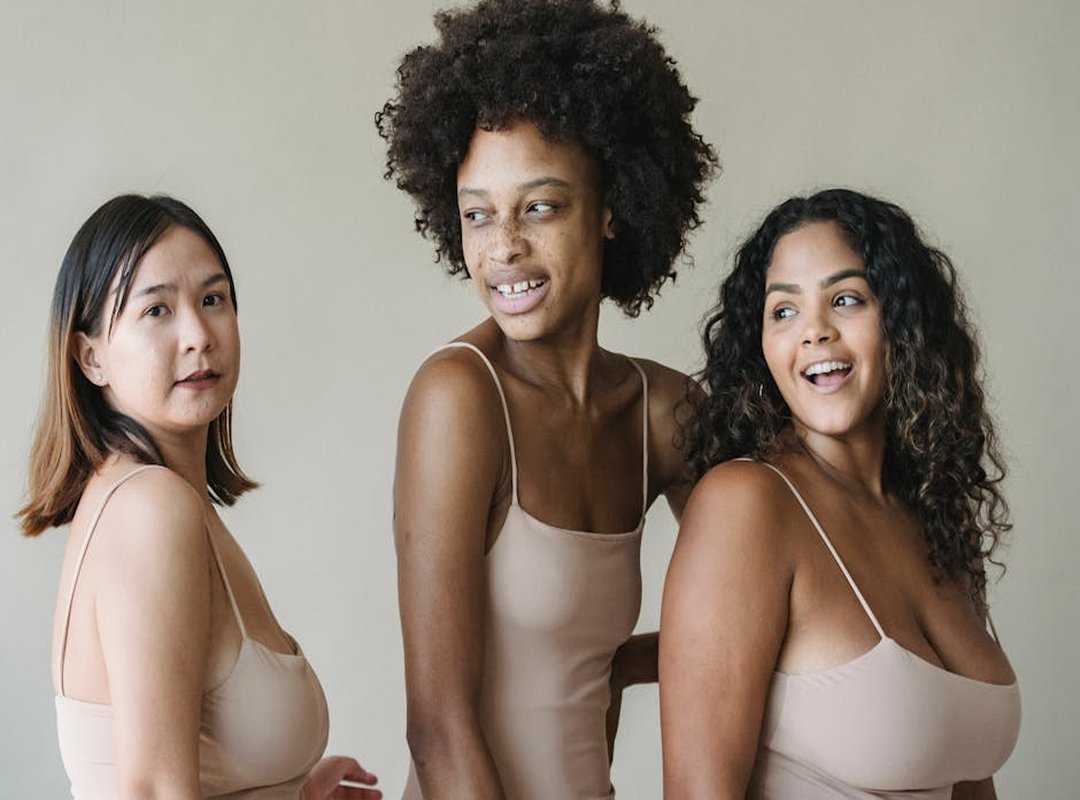
Women’s representation in media has been a hot topic for years. Television, film, and print publications often portray women in stereotypical roles, which can be limiting and damaging.
In television, for example, women are frequently shown as secondary characters or in roles that revolve around their relationships with men. This narrow portrayal doesn’t reflect the diverse and complex lives of real women.
Film is no different. A study by the Geena Davis Institute on Gender in Media found that female characters in films are half as likely to be shown in leadership positions compared to male characters. That’s a stark imbalance.
Print publications, like magazines, often focus on women’s physical appearance rather than their achievements. This can lead to a skewed public perception of what it means to be a woman.
Advertising plays a significant role in shaping these perceptions. Advertisements have historically used women’s bodies to sell products, often reducing them to mere objects. This kind of imagery can be harmful and dehumanizing.
However, there’s a growing movement to change this. Advertising standards are evolving, and more companies are pushing for positive and realistic representations of women. For instance, Dove’s “Real Beauty” campaign challenged traditional beauty standards by featuring women of all shapes, sizes, and ages.
This campaign had a significant impact, boosting both brand reputation and sales.
Another example is poto de persona mujeres. This campaign highlighted the strength and diversity of women, showing them in a variety of professional and personal roles. It resonated with audiences and helped shift public perceptions.
These successful campaigns show that positive and realistic representations of women not only benefit society but also make good business sense. When brands authentically represent women, they build stronger connections with their audience and foster a more inclusive culture.
Diversity and Inclusion in Women’s Imagery
It’s crucial to represent a wide range of women in terms of age, race, body type, and background. Why? Because it reflects the real world.
When we see diverse women in poto de persona mujeres, it helps everyone feel seen and valued.
But achieving this diversity isn’t easy. There are systemic barriers that need to be addressed. For example, many companies still rely on narrow beauty standards, which can exclude a lot of people.
How do we break these barriers? Some organizations are leading the way. They’re pushing for more inclusive imagery and challenging the status quo.
These success stories show that change is possible.
One key strategy is to use technology to streamline and automate processes. This can help in managing and promoting diverse content efficiently. (Think about how email marketing automation can help here.)
By using tools like automated email marketing, companies can focus more on creating and sharing diverse and inclusive content, rather than getting bogged down by manual tasks.
In the end, it’s all about making a conscious effort to include and celebrate all types of women. It’s not just the right thing to do; it’s also good for business.
Empowerment and Positive Representation
Empowering imagery is crucial. It celebrates women’s achievements, strengths, and individuality.
Why does this matter? Because the images we see every day shape our perceptions and self-worth.
Positive role models in imagery can inspire and influence others. They show us what’s possible and challenge stereotypes.
Think about it. When you see poto de persona mujeres that embody strength and success, it sends a powerful message.
Choose Images Wisely
So, what should you do? Be selective with the images you use or share. Look for those that highlight real, diverse, and relatable women.
Don’t just go for the typical, overly polished photos. Authenticity resonates more.
Promote Role Models
Highlight positive role models in your content. Share stories of women who have made a difference.
These stories can be from any field—business, arts, sports, or science. The key is to showcase a range of experiences and backgrounds.
Encourage Diversity
Diversity isn’t just a buzzword. It’s essential. Make sure the images and stories you promote reflect a wide array of women.
This includes different ages, ethnicities, and body types. Representation matters, and it makes a real impact.
By being mindful of the imagery and role models you promote, you can contribute to a more inclusive and empowering environment.
The Future of Women’s Imagery
The evolution of women’s imagery has seen significant shifts, moving from stereotypical and limiting representations to more diverse and empowering portrayals. This change reflects a broader cultural shift towards recognizing and valuing the multifaceted roles and identities of women. poto de persona mujeres now often highlight strength, diversity, and individuality. Continued efforts are crucial to promote inclusive and empowering representations of women in all forms of imagery.
These efforts help challenge stereotypes and foster a more equitable society. Support and advocacy for positive and realistic portrayals of women can make a tangible difference. Every individual has the power to influence their own spheres, contributing to a more inclusive and representative future.
 Kevin Ary is a key contributor to Squad Digital Hack, bringing a wealth of expertise in digital marketing strategies. His passion for helping businesses enhance their online presence has played a crucial role in shaping the platform's comprehensive resources. With a focus on SEO and content marketing, Kevin's insights ensure that users have access to the latest techniques and best practices, enabling them to effectively engage their target audiences and achieve their marketing goals.